
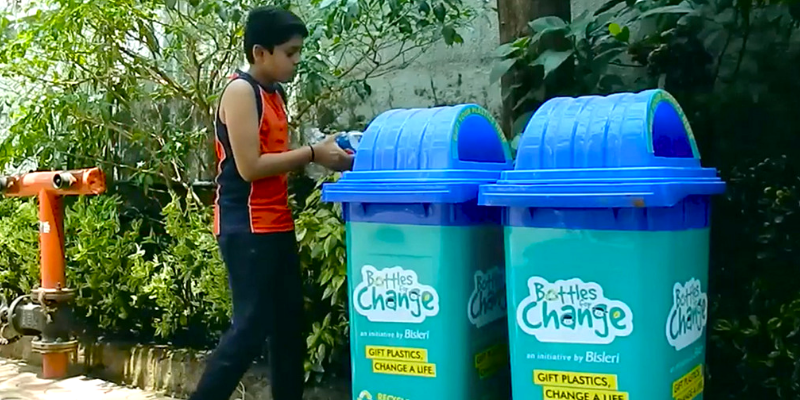

The global push for sustainability has placed a spotlight on how we manage waste, especially plastics. Among the various types of plastics, polyethylene terephthalate (PET) stands out due to its widespread use in packaging, particularly for beverages and food. As consumers and industries alike seek more environmentally responsible solutions, the demand for high-quality recycled materials has surged. PET Recycling has emerged as a critical component of the circular economy, offering a viable path to reduce waste, conserve resources, and lower our carbon footprint.
Understanding the significance of PET recycling is the first step toward appreciating its impact. This process involves collecting, sorting, and processing used PET products to create recycled PET (rPET) resin. This high-quality recycled material can then be used to manufacture new products, effectively closing the loop on plastic production. By transforming what was once considered waste into a valuable resource, PET recycling not only addresses environmental challenges but also creates new economic opportunities.
This guide explores the world of PET recycling, focusing on the production of high-quality recycled resin for eco-friendly manufacturing. We will cover the benefits of this process, examine key statistics that highlight its importance, and answer frequently asked questions to provide a comprehensive overview. The goal is to illustrate how advanced recycling technologies are enabling a more sustainable future for manufacturing.
Why High-Quality Recycled PET is a Game-Changer
The benefits of using high-quality recycled PET resin are extensive, touching everything from environmental conservation to economic efficiency. As manufacturing processes evolve to incorporate more sustainable materials, rPET is proving to be an invaluable resource. Here are some of the primary advantages that make it a cornerstone of eco-friendly manufacturing.
A Major Step in Reducing Landfill Waste
One of the most significant environmental challenges today is the overwhelming amount of plastic waste that ends up in landfills. PET products, like water bottles and food containers, are a major contributor to this problem. When these items are discarded after a single use, they can take hundreds of years to decompose, occupying valuable landfill space and leaching harmful chemicals into the soil and water.
PET recycling offers a direct and effective solution. By collecting and reprocessing used PET containers, we can divert a massive volume of plastic from landfills. Every ton of PET that is recycled is a ton that does not contribute to our already overflowing waste sites. This not only helps preserve natural landscapes but also reduces the long-term environmental liability associated with landfills. The shift towards a circular model, where PET is continuously reused, is essential for sustainable waste management.
Conserving Precious Natural Resources
The production of virgin PET plastic is a resource-intensive process. It relies heavily on the extraction of crude oil and natural gas, which are finite, non-renewable resources. The manufacturing process also consumes significant amounts of energy and water, adding to its environmental footprint.
Recycled PET, on the other hand, dramatically reduces our dependence on these virgin materials. By using existing plastic as the raw material for new products, we can conserve the fossil fuels that would otherwise be needed. This preservation of natural resources is a critical component of sustainability, ensuring that future generations have access to the raw materials they will need. The energy savings are also substantial; producing rPET requires significantly less energy than creating virgin PET from scratch.
A Lower Carbon Footprint for Manufacturing
The battle against climate change requires a concerted effort to reduce greenhouse gas emissions across all industries. The plastic manufacturing sector is a notable contributor to global emissions, primarily due to the energy consumed during production. Creating virgin PET plastic releases a significant amount of carbon dioxide (CO2) and other greenhouse gases into the atmosphere.
Opting for recycled PET can lead to a substantial reduction in the carbon footprint of manufacturing. Studies have consistently shown that the recycling process emits far fewer greenhouse gases compared to virgin production. By choosing rPET, manufacturers can actively contribute to climate change mitigation efforts. This reduction in emissions helps companies meet their sustainability targets and appeals to environmentally conscious consumers who are increasingly looking for products with a lower environmental impact.
Boosting the Circular Economy
The concept of a circular economy is a fundamental shift away from the traditional linear model of “take, make, dispose.” In a circular economy, resources are kept in use for as long as possible, extracting the maximum value from them before recovering and regenerating products and materials at the end of their service life.
PET recycling is a perfect example of the circular economy in action. It transforms used plastic bottles and containers from “waste” into a valuable feedstock for new products. This closed-loop system ensures that the material is not lost after a single use but is instead reintegrated into the supply chain. Supporting PET recycling helps build a more resilient and sustainable economic system, one where resource efficiency is prioritized and waste is minimized. This model creates new business opportunities in collection, sorting, and processing, fostering economic growth while protecting the environment.
Creating High-Quality, Versatile Materials
There was once a perception that recycled materials were inferior in quality to their virgin counterparts. However, advancements in recycling technology have shattered this myth. Modern PET recycling processes can produce high-quality rPET resin that meets the stringent standards required for a wide range of applications, including food-grade packaging.
This high-quality rPET is incredibly versatile. It can be used to make new bottles and containers, polyester fibers for clothing and carpets, and even automotive parts. The ability to produce a reliable and consistent supply of top-tier recycled material has opened the door for rPET to be used in countless products. This versatility ensures that there is a strong and stable market for recycled PET, further encouraging collection and recycling efforts.
PET Recycling by the Numbers: A Statistical Snapshot
To fully grasp the impact and potential of PET recycling, it is helpful to look at the data. These statistics paint a clear picture of current trends, the challenges we face, and the significant progress being made in the journey toward a more sustainable future.
- The global recycling rate for PET bottles has been steadily increasing. In many regions, collection rates now exceed 50%, with some countries achieving rates of over 90% thanks to effective deposit-return schemes and robust collection infrastructures.
- Producing products from recycled PET uses approximately 60% less energy than producing them from virgin raw materials. This significant energy saving is a key driver of the environmental benefits associated with recycling.
- The use of recycled PET can reduce greenhouse gas emissions by up to 70% compared to virgin PET production. This makes rPET a powerful tool for companies looking to lower their carbon footprint and contribute to global climate goals.
- The market for rPET is growing rapidly. Projections show that the global rPET market size is expected to continue its upward trajectory, driven by increasing consumer demand for sustainable products and supportive government regulations.
- For every 1 million tons of PET that are recycled, we can save over 7.5 million cubic yards of landfill space. This demonstrates the profound impact that recycling can have on managing our waste and preserving our land.
- The textile industry is one of the largest consumers of rPET. A significant portion of recycled PET is converted into polyester fibers, which are then used to make clothing, home furnishings, and carpets. A single t-shirt can be made from just a handful of recycled PET bottles.
These statistics underscore the vital role that PET recycling plays in our modern world. They show that while there is still work to be done to improve collection and recycling rates globally, the positive impact of these efforts is undeniable.
Frequently Asked Questions About PET Recycling
As interest in sustainability grows, so do the questions about how recycling processes work and what their true impact is. Here are answers to some of the most common questions about PET recycling.
What products are made from PET?
Polyethylene terephthalate, or PET, is a type of plastic commonly used for its strength, clarity, and lightweight properties. You will find it in single-use and reusable beverage bottles (for water, soft drinks, and juice), food jars (for peanut butter, salad dressing, and cooking oil), and other types of food packaging like clamshell containers for produce. It is also used to create polyester fibers for clothes, carpets, and industrial strapping.
How is PET recycled?
The PET recycling process begins with the collection of used PET products from homes, businesses, and public recycling bins. Once collected, the materials are taken to a materials recovery facility (MRF) where they are sorted. The PET containers are separated from other types of plastics and contaminants.
After sorting, the PET is cleaned to remove any labels, caps, and residues. It is then ground into small pieces called flakes. These flakes undergo a further washing and purification process before being melted down and formed into small pellets of recycled PET (rPET) resin. This rPET resin is the raw material that manufacturers use to create new products.
Is recycled PET as good as virgin PET?
Yes. Thanks to major advancements in recycling technology, high-quality rPET resin can exhibit properties that are virtually identical to virgin PET. It can be used in a wide variety of applications, including those that have direct contact with food and beverages. The quality of rPET is so high that many leading brands have committed to using significant percentages of recycled content in their packaging without any compromise on performance or safety.
What do the numbers on the bottom of plastics mean?
The numbers inside the chasing arrows symbol on plastic products are known as Resin Identification Codes (RICs). They were created to help recycling facilities identify and sort different types of plastics. PET is identified by the number “1.” While the symbol includes arrows, it does not necessarily mean the product is recyclable in all areas. It is always best to check with your local recycling program to see which plastics they accept.
Can PET be recycled indefinitely?
PET is a highly recyclable material, but like most plastics, it can lose some of its structural integrity after being recycled multiple times. This is known as downcycling. However, with modern chemical recycling technologies, it is becoming possible to break PET down to its original chemical components, which can then be used to create new PET plastic of virgin-like quality. This innovation holds the promise of a truly closed-loop system where PET can be recycled over and over again.
A More Sustainable Path Forward
The transition to a more sustainable manufacturing landscape is not just an option; it is a necessity. High-quality PET recycling stands at the forefront of this movement, offering a practical and powerful way to reduce our environmental impact while fostering economic innovation. By embracing recycled PET resin, manufacturers can conserve natural resources, lower their carbon emissions, and meet the growing demand for eco-friendly products.
The journey toward a fully circular economy requires commitment from all stakeholders—from consumers who diligently recycle to industries that invest in sustainable materials. The trends and statistics clearly show that we are on the right path. As technology continues to advance and awareness grows, the role of high-quality recycled resin in building a greener, more resilient world will only become more significant.
