
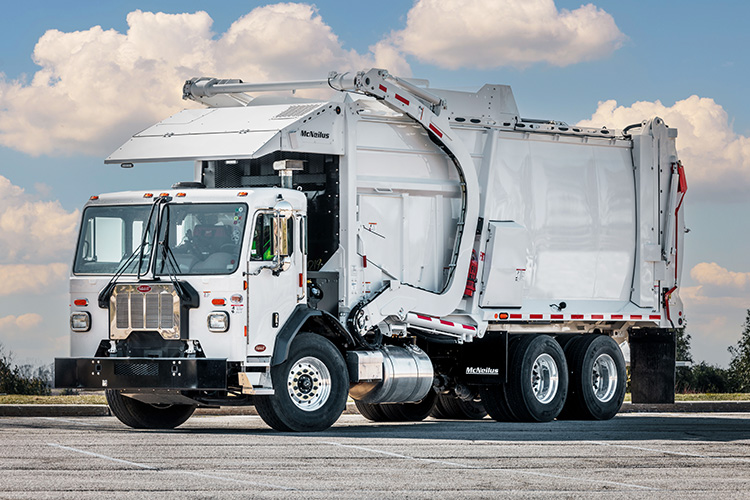

The waste management industry has evolved significantly over the past few decades, and at the forefront of this transformation are McNeilus Refuse Trucks. Known for their durability, advanced technology, and operator-focused design, McNeilus trucks have continually adapted to meet the changing needs of municipalities and commercial haulers. With expert support from Ten-8 Industrial, fleets can leverage the latest innovations in McNeilus trucks to improve efficiency, safety, and sustainability.
Early Innovations in Waste Collection
McNeilus Refuse Trucks first gained recognition for introducing durable, heavy-duty refuse bodies and packer systems that could handle high-volume waste collection. Early models focused on reliability and strength, ensuring that trucks could withstand the rigorous demands of municipal routes and commercial collection.
These trucks set a new standard for durability, with reinforced steel bodies and robust hydraulic systems that minimized downtime and reduced maintenance needs. Ten-8 Industrial has long supported operators in maintaining these foundational models, providing parts and technical guidance to extend their lifespan.
Advancements in Hydraulic Systems and Compaction
As waste volumes increased, McNeilus Refuse Trucks evolved with advanced hydraulic and compaction technologies. Modern packer systems allow trucks to compress more waste per trip, increasing payload efficiency and reducing trips to disposal facilities.
Hydraulic enhancements also improved operator ease of use, allowing faster collection cycles and more efficient handling of large dumpsters. This technology significantly reduced labor costs while improving operational productivity, a trend that continues to define McNeilus trucks today. Ten-8 Industrial works closely with fleets to ensure hydraulic systems are optimized and maintained for long-term performance.
The Rise of Automated Side Loaders
One of the most significant developments in the evolution of McNeilus Refuse Trucks has been the introduction of automated side loaders (ASLs). These trucks allow a single operator to manage waste collection routes safely and efficiently without leaving the cab.
ASLs revolutionized residential collection by:
- Reducing operator fatigue and labor requirements
- Improving collection speed and route efficiency
- Enhancing safety with integrated sensors and cameras
Ten-8 Industrial provides training and support for operators of ASLs, ensuring that fleets can maximize the efficiency and safety benefits of this technology.
Integration of Telematics and Smart Technology
Modern McNeilus Refuse Trucks are equipped with telematics systems that allow fleet managers to monitor routes, fuel consumption, hydraulic cycles, and vehicle performance in real time. This integration enables:
- Optimized route planning to reduce fuel consumption and emissions
- Preventive maintenance alerts to minimize downtime
- Data-driven decision-making for fleet expansion and operational improvements
By combining these smart technologies with durable truck design, McNeilus has transformed waste collection into a more efficient, data-driven operation. Ten-8 Industrial assists fleets with telematics installation, monitoring, and analytics to support operational success.
Sustainability and Environmental Advancements
Environmental considerations have become central to fleet operations, and McNeilus Refuse Trucks have evolved to meet these demands. Alternative fuel models, including compressed natural gas (CNG) and fully electric trucks, reduce greenhouse gas emissions and fuel costs.
Fuel-efficient hydraulic systems, lightweight materials, and noise-reducing features further contribute to environmental sustainability. With guidance from Ten-8 Industrial, fleets can select and maintain eco-friendly McNeilus trucks that align with both regulatory requirements and corporate sustainability goals.
Customization and Specialized Applications
The evolution of McNeilus Refuse Trucks also includes extensive customization options to meet specific operational needs. Trucks can be configured with:
- Front loaders for commercial routes
- Rear loaders for residential and mixed-use routes
- Compartmentalized bodies for recycling and organics
- Safety enhancements, cameras, and telematics
Ten-8 Industrial supports fleets in designing and configuring trucks that maximize operational efficiency, safety, and ROI, reflecting the modern requirements of the waste management industry.
Durability and Long-Term Value
Despite technological advancements, the core principles of durability and reliability remain central to McNeilus Refuse Trucks. Long-lasting construction, easy serviceability, and consistent performance have helped fleets protect their investment over decades.
Ten-8 Industrial provides ongoing support, OEM parts, and maintenance services to ensure that McNeilus trucks continue to deliver value throughout their operational lifespan. This combination of durability, innovation, and support has solidified McNeilus’ position as an industry leader.
Conclusion
The evolution of McNeilus Refuse Trucks reflects the changing needs of the waste management industry—from heavy-duty, reliable early models to advanced, technology-integrated trucks today. With innovations such as automated side loaders, telematics, fuel-efficient systems, and extensive customization options, McNeilus trucks continue to set industry standards.Supported by Ten-8 Industrial, municipalities and commercial waste operators can harness the full potential of these trucks, ensuring operational efficiency, safety, sustainability, and long-term value. For fleets seeking durable and forward-thinking waste collection solutions in 2026 and beyond, McNeilus Refuse Trucks remain a trusted and evolving choice.
