
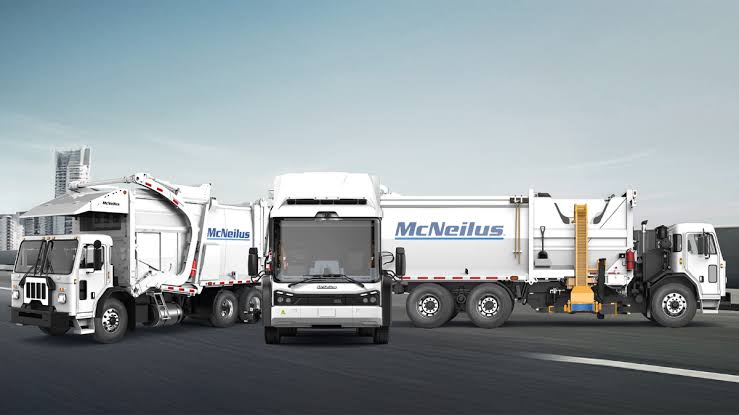

Fleet productivity is a major consideration for waste management companies that need to complete collection routes on schedule while controlling operating expenses. Every vehicle must perform reliably, handle its assigned workload, and remain available for daily operations. McNeilus refuse trucks are designed for specialized waste collection applications, with different configurations to support residential, commercial, and municipal requirements. When businesses combine appropriate equipment with preventive maintenance, route planning, and effective driver training, they can improve fleet utilization and manage their resources more efficiently.
Understanding Fleet Productivity in Waste Management
Fleet productivity refers to how effectively a company uses its vehicles, employees, and operating resources to complete assigned work. In waste collection, productivity can be measured through completed stops, collected waste volume, fuel consumption, vehicle availability, and operating costs.
A truck that spends excessive time waiting for repairs or traveling unnecessary distances can reduce the efficiency of an entire collection operation. Similarly, equipment that does not match the route requirements may slow down loading and create difficulties for drivers.
McNeilus refuse trucks provide specialized collection configurations that businesses can evaluate according to their operational needs. Choosing the appropriate vehicle helps fleet managers organize work around realistic capacity, route conditions, and collection methods.
Selecting the Right Truck Configuration
Truck configuration has a direct influence on daily productivity. Front loaders are commonly used for commercial dumpster collection, rear loaders can support a variety of residential and commercial routes, and automated side loaders are suited to compatible cart-based collection systems.
A company serving residential neighborhoods may prioritize maneuverability, convenient loading, and compatibility with its existing carts. A commercial waste operator may need a vehicle designed to handle larger containers and frequent collection at business locations.
A McNeilus rear loader may be worth considering for operations that require flexible collection arrangements. Depending on the selected model and options, rear loaders can support residential and light commercial routes through features such as cart tippers and container-handling equipment.
Before making a decision, fleet managers should review body capacity, loading mechanisms, chassis specifications, and the physical conditions of their collection areas. Selecting a truck that matches the job can help crews complete routes with fewer operational complications.
Improving Loading and Collection Cycles
Loading efficiency affects how many collection stops a crew can complete during a working shift. Delays can occur when containers are difficult to position, equipment controls are unfamiliar, or the vehicle is not designed for the collection method being used.
Fleet managers should evaluate the complete loading process rather than focusing only on truck capacity. Container compatibility, operator visibility, lifting mechanisms, and the time required to position the vehicle all influence daily performance.
Training helps drivers and collection crews use equipment consistently. Employees should understand the correct operating procedures, safety precautions, and methods for reporting equipment problems.
Compaction systems can also support productivity by reducing the volume of collected waste. However, operators must consider both body capacity and legal payload limits when planning collection routes. Heavy waste may reach the vehicle’s weight limit before the body is full.
Route Planning and Fuel Management
Efficient route planning helps businesses reduce unnecessary mileage, manage labor time, and improve service consistency. Routes should account for customer locations, traffic patterns, collection schedules, disposal facilities, and restrictions affecting large vehicles.
Fleet managers can review route records to identify repeated delays, excessive travel distances, and collection areas that require schedule adjustments. Even small improvements can produce meaningful savings when applied across multiple vehicles and working days.
Fuel management is another important part of fleet productivity. Excessive idling, poor route planning, improper tire maintenance, and mechanical problems can contribute to unnecessary fuel consumption.
Regularly monitoring fuel usage and vehicle mileage helps managers identify unusual changes. These records should be considered alongside route conditions and maintenance history to avoid drawing conclusions from isolated measurements.
Preventive Maintenance and Reduced Downtime
Unexpected breakdowns can disrupt collection schedules and require companies to assign backup vehicles or reschedule work. Preventive maintenance helps identify developing issues before they lead to more serious interruptions.
Drivers should conduct routine inspections covering tires, brakes, lights, fluid levels, visible leaks, and warning indicators. Loading systems, hydraulic components, and compaction mechanisms should be inspected and serviced according to the applicable maintenance schedule.
Fleet managers should maintain a separate service history for each truck. These records help identify recurring faults, compare repair costs, and plan maintenance during periods when a vehicle can be taken out of service.
Promptly investigating unusual noises, inconsistent loading cycles, or changes in hydraulic performance can also help prevent avoidable damage.
Parts Availability and Repair Planning
The ability to obtain compatible replacement components influences how quickly a vehicle can return to work. Incorrect parts, delayed deliveries, and incomplete equipment information can extend repair times.
When sourcing McNeilus rear loader components, fleet managers should confirm the vehicle model, year, serial number where necessary, and exact part specifications. They should also check availability, warranty conditions, and expected delivery times before authorizing repairs.
Ten-8 Industrial is a McNeilus dealership and service provider serving customers in Alabama, Florida, Georgia, and Mississippi. Its offerings include refuse truck sales, maintenance, service, and parts support. Businesses should confirm current coverage and availability for their particular requirements before arranging service.
Establishing a clear supplier relationship can make parts ordering and repair planning more predictable. Larger fleets may also benefit from keeping selected frequently used service items available, provided inventory decisions reflect actual maintenance needs.
Using Performance Data to Make Better Decisions
Productivity improvements are easier to manage when fleet operators track consistent performance indicators. Useful measurements include completed collections, fuel consumption, maintenance expenses, vehicle utilization, and hours lost to breakdowns.
These figures help managers identify which vehicles perform efficiently and which require additional attention. For example, repeated repairs may indicate a recurring mechanical problem, while consistently high fuel consumption may justify a closer review of routes and vehicle condition.
Driver feedback can provide additional context. Operators may notice changes in handling, loading performance, or equipment behavior before a problem appears clearly in formal reports.
Reviewing data regularly allows businesses to adjust maintenance schedules, improve training, and plan equipment replacement using practical evidence.
Driver Training and Workplace Safety
Productivity should never come at the expense of safety. Waste collection vehicles operate around pedestrians, other vehicles, workers, and public spaces, making safe procedures essential.
Drivers should receive appropriate training on vehicle controls, loading systems, reversing, inspections, and emergency procedures. Collection crews should understand safe working distances and the risks associated with moving equipment.
Well-maintained safety systems and consistent operating procedures can reduce preventable incidents and interruptions. Managers should encourage employees to report mechanical problems promptly rather than continuing to operate equipment that may be unsafe.
Conclusion
McNeilus refuse trucks can support productive waste collection when their configurations match the demands of the routes they serve. Effective loading procedures, appropriate capacity, route planning, and preventive maintenance all contribute to reliable fleet operations.
Businesses can further improve productivity by monitoring performance data, training drivers, and planning for compatible replacement components. Evaluating service and parts support from providers such as Ten-8 Industrial can also help fleet managers organize repairs and maintain vehicle availability.
A coordinated approach to equipment selection, maintenance, and daily operations allows waste management companies to use their resources more effectively while delivering dependable collection services.


